
Specialist Marine Services
Specialist Marine Services

At Clearvac, we provide comprehensive air hygiene services for marine vessels, with a focus on HVAC ventilation system cleaning. We ensure our clients’ vessels meet the industry’s rigorous compliance standards and that insurance mandates comply with health and safety regulations.
We work very hard to ensure the air circulated in occupied areas exceeds the required standards.
For extraction systems, we provide removal of vessel fire risk and issue certification for insurance.
We perform an initial vessel walk-through, followed by a comprehensive photographic and video assessment of all HVAC ducting and components. We examine air handling units, blower fans, ducting, return and supply plenums, vents, grilles, and so on.
This forms the basis of our service report.
Mould remediation is a crucial component of vessel health maintenance. All vessels, regardless of age, size, or build, provide a perfect environment for mould growth. This is determined by the constant exposure to varying humidity and moisture, which collect in the often convoluted, complex, and entangled ventilation systems. Black spores are highly toxic and release mycotoxins into the vessel environment, posing a significant risk to crew health and damaging the interior.
Our services eliminate all growth and prevent future spore colonies from forming.
The air handler unit (AHU) is the most essential component in a vessel’s ventilation system. A dirty coil promotes the dispersion of mould and bacteria throughout the entire system.
We clean and sanitise the interior and exterior casings of air handlers, including the condenser and evaporator coils, blower fan assemblies, internal chambers, drain pans, and housing tracks.
In addition to air handlers, we also service fan coil units (FCUs) located throughout the vessel’s accommodation and guest areas. These units play a critical role in distributing conditioned air within cabins and interior spaces. When neglected, fan coils can accumulate dust, biofilm, and microbial growth within the coil fins, blower wheels, and drain trays.
Our cleaning process restores these units to proper hygienic condition by removing debris and biological contamination from the coil surfaces, fan assemblies, and condensate drainage systems. This prevents the recirculation of contaminants through the cabin air supply and helps maintain stable cooling performance.
Together, the cleaning of air handling units and fan coil units ensures that the vessel’s ventilation system operates as intended, delivering clean, properly conditioned air throughout the entire HVAC network.
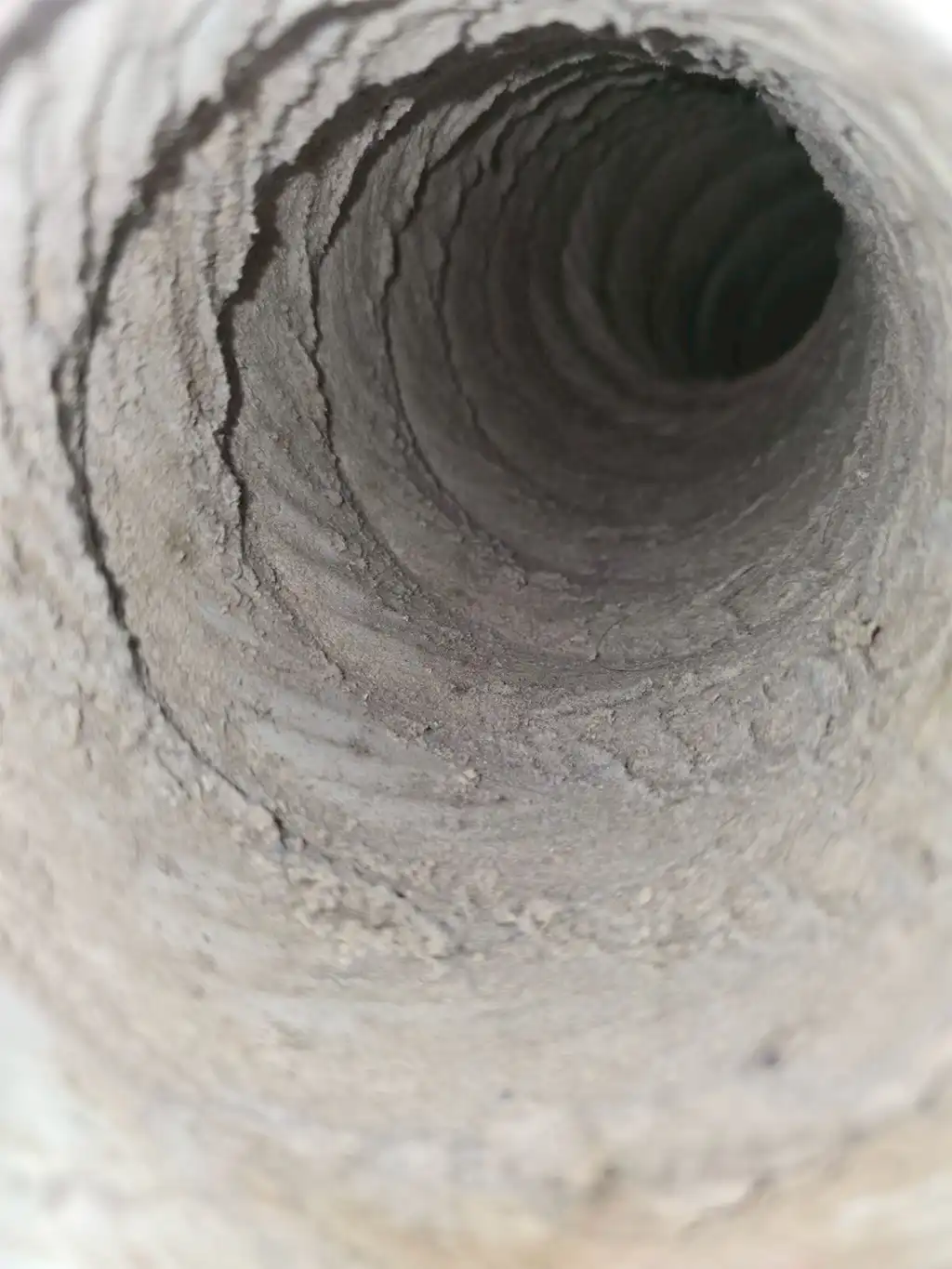
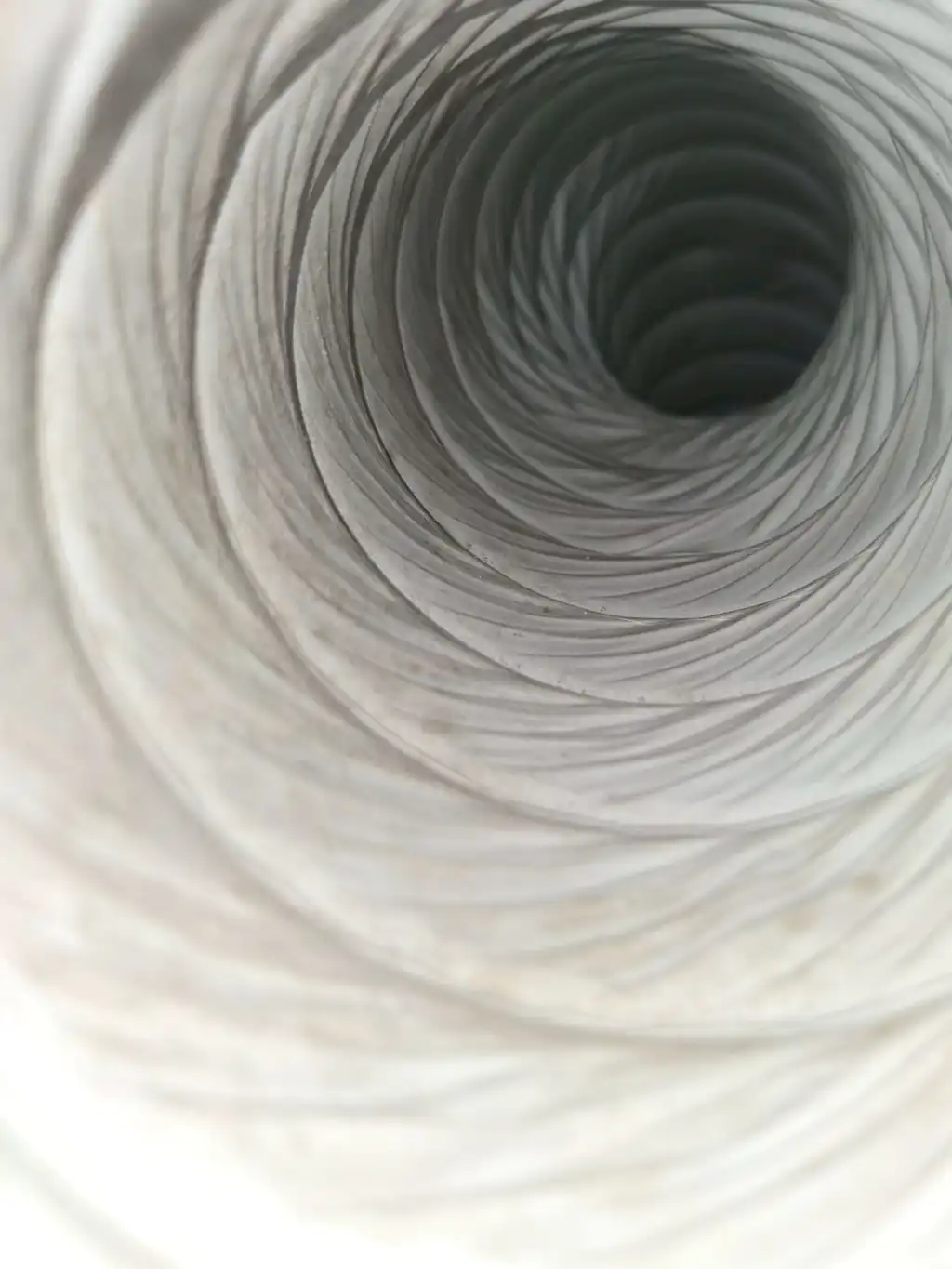
Before and after HVAC duct cleaning — improving air quality, safety, and compliance on board.
Vessel air duct cleaning is also an essential component of a well-considered maintenance schedule. Poorly maintained air ducts on large vessels with high occupancy accelerate the growth of mould and bacteria.
As part of the air duct cleaning service, we thoroughly clean and sanitise the supply and return ducts end-to-end. This detailed process also includes components that distribute airflow, like supply and return air plenums, air vents, grilles, diffusers, extraction fans, transition boxes, louvred vents, and so on.

Clearvac Engineering Asia employs ozone technology as a natural method for disinfecting and sterilising internal living and working spaces. This technology is the most effective agent for neutralising bacteria, viruses, microorganisms, mould, fungi, larvae, and odours, making ozone a more potent and environmentally friendly solution compared to hazardous chemicals. Bacteria tend to thrive in environments with limited ventilation, warm temperatures, and humidity.
Clearvac offers ozone treatments using our custom industrial, European-built ozone generators. These machines sanitise internal spaces, eliminating contamination without leaving any residue, and, as always, we cause minimal disruption to crew and guests.

Bacteria are small, single-cell organisms with uncomplicated structures encased in relatively robust cell membranes. Ozone disrupts the metabolism of bacterial cells, impeding their enzymatic control systems.
A sufficient amount of ozone penetrates the cell membrane, leading to bacterial destruction. In contrast, viruses are small, independent particles composed of crystals and macromolecules. They can only multiply within a host cell by transforming the host cell’s proteins into their own. Ozone eliminates viruses by entering their protein coat and targeting the RNA at their core.

REQUEST A FREE QUOTATION
Explore Our Nautical Expertise