
Specialist Marine Services
Specialist Marine Services

At Clearvac, we provide comprehensive air hygiene services for marine vessels, with a focus on HVAC ventilation system cleaning. We ensure our clients’ vessels meet the industry’s rigorous compliance standards and that insurance mandates comply with health and safety regulations.
We work very hard to ensure the air circulated in occupied areas exceeds the required standards.
For extraction systems, we provide removal of vessel fire risk and issue certification for insurance.
We begin with an initial vessel walk-through, followed by a comprehensive photographic and video assessment of the vessel’s HVAC system. This includes inspection of air handling units, blower assemblies, ducting, supply and return plenums, air grilles, and diffusers.
The findings from this inspection form the basis of our service report, providing a clear visual record of system condition and identifying areas requiring cleaning or remedial attention.
Mould remediation is an important component of maintaining healthy onboard environments. Vessels can create conditions favourable for mould growth, particularly where humidity, condensation, and limited airflow allow moisture to accumulate within HVAC systems and interior spaces.
If left unaddressed, mould contamination can affect air quality, contribute to unpleasant odours, and damage interior materials. Some species are also capable of producing mycotoxins, which may pose health concerns for crew in poorly maintained environments.
Our remediation procedures focus on identifying and removing active mould growth while addressing the underlying conditions that allow contamination to develop. By combining targeted cleaning with improved system hygiene, we help reduce spore levels and minimise the likelihood of recurring growth.
The air handling unit (AHU) is a central component of a vessel’s HVAC system. When coils and internal components become contaminated, airflow passing through the unit can distribute mould spores, bacteria, and other particulates throughout the ventilation network.
Our procedures enable us to thoroughly clean and sanitise the interior and exterior casings of air handling units. This includes the cooling coils, blower fan assemblies, internal chambers, condensate drain pans, and coil tracks, where debris and microbial growth often accumulate.
In addition to air handling units, we also service fan coil units (FCUs) located throughout the vessel’s accommodation and guest areas. These units play a key role in distributing conditioned air within cabins and interior spaces.
When neglected, fan coils can accumulate dust, biofilm, and microbial growth within the coil fins, blower wheels, and condensate trays. These deposits restrict airflow, reduce heat transfer efficiency, and can contribute to poor air hygiene within occupied spaces.
Our cleaning process restores these units to proper hygienic condition by removing debris and biological contamination from coil surfaces, fan assemblies, and condensate drainage systems. This prevents contaminants from being recirculated through the cabin air supply and helps maintain stable cooling performance.
Cleaning both air handling units and fan coil units ensures that the vessel’s HVAC system operates as intended, delivering clean, properly conditioned air throughout the onboard ventilation network.
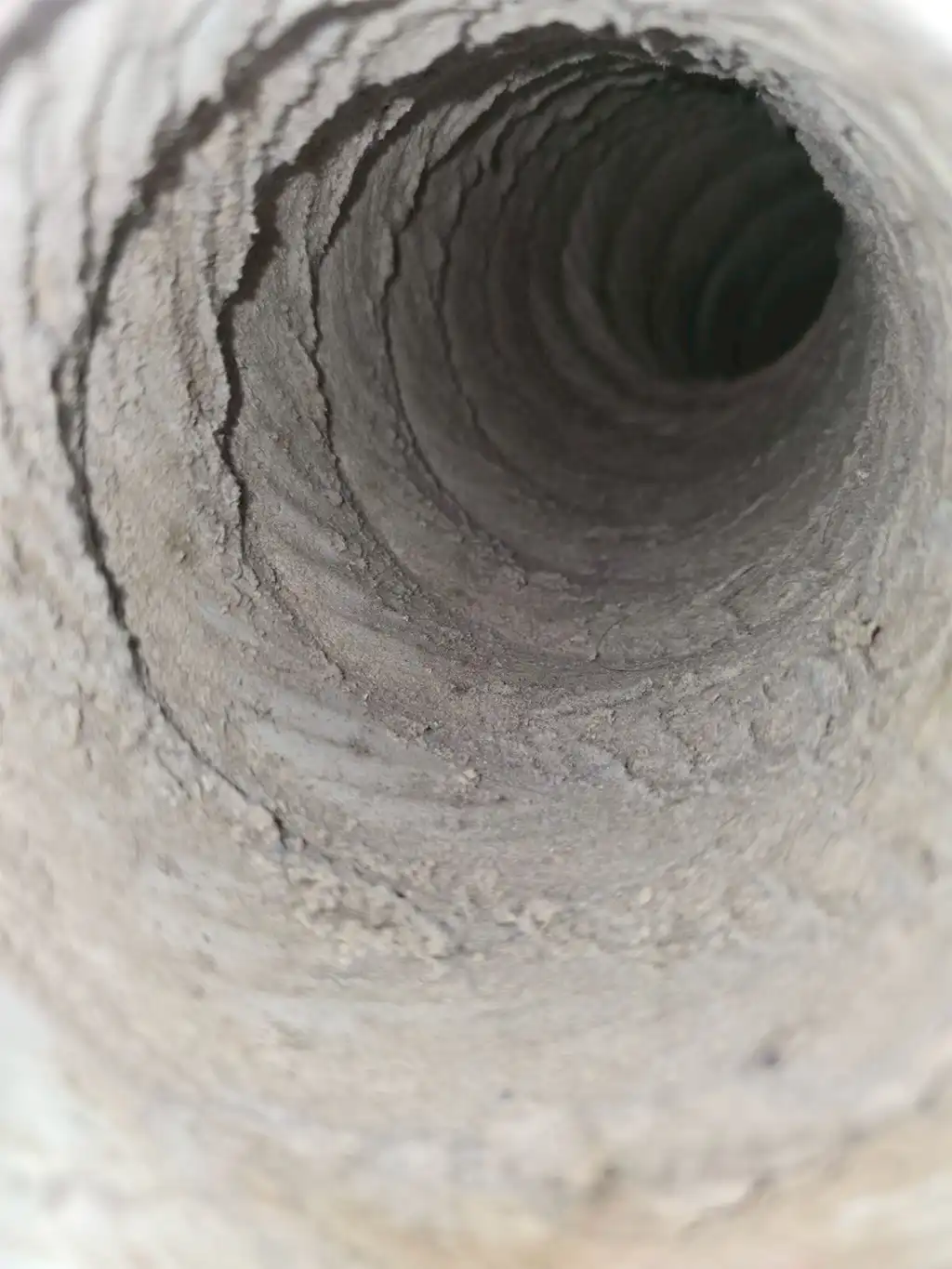
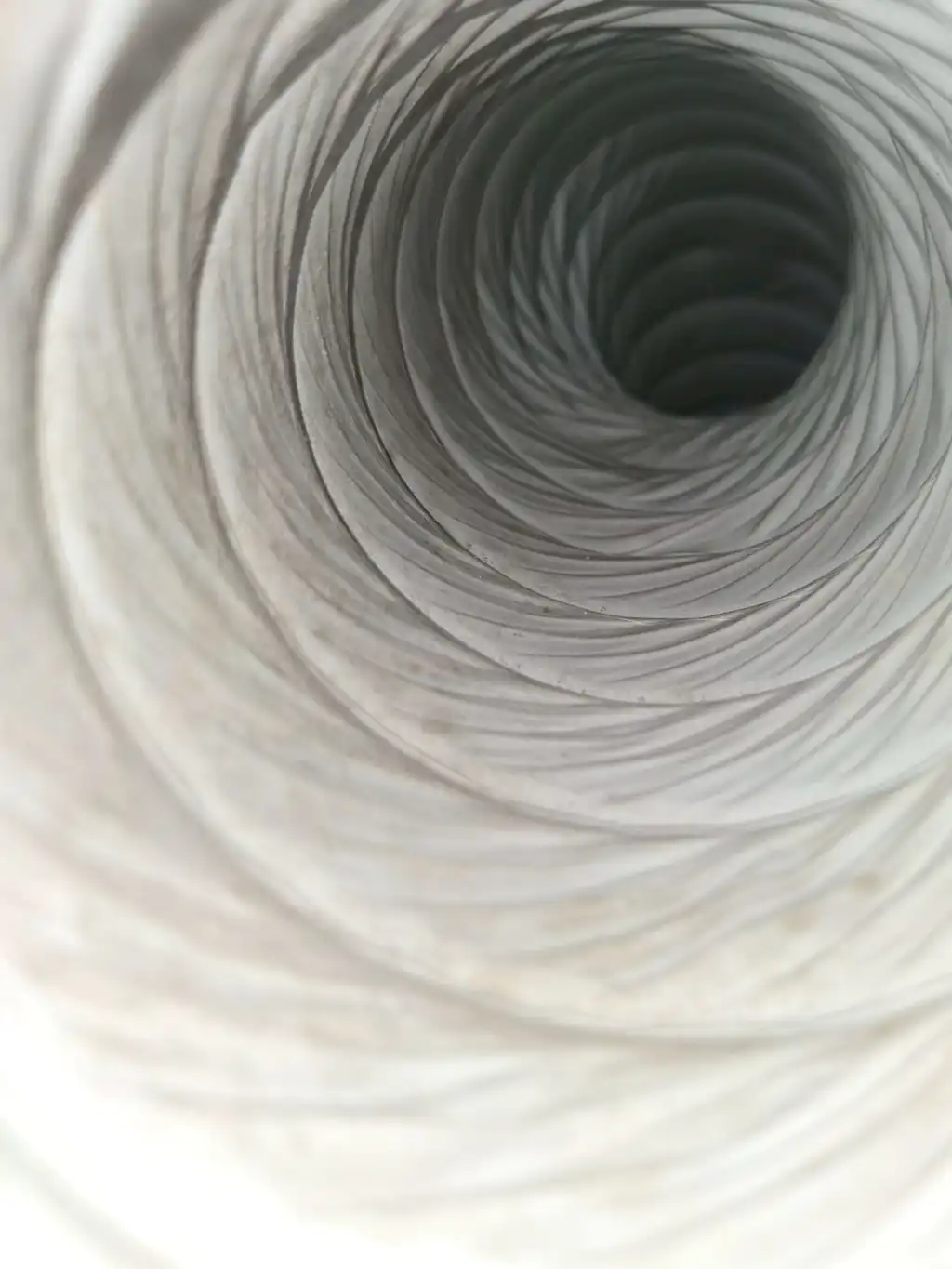
Before and after HVAC duct cleaning — improving air quality, safety, and compliance on board.
Vessel air duct cleaning is an important part of a well-considered HVAC maintenance schedule. When ductwork is poorly maintained, dust and organic debris accumulate within the system. In the presence of moisture, these deposits can support microbial growth and allow mould spores and bacteria to be distributed throughout occupied spaces.
As part of our air duct cleaning service, we thoroughly clean and sanitise the supply and return duct networks end-to-end. This detailed process also includes the components that distribute and regulate airflow, such as supply and return plenums, air grilles, diffusers, extraction ducts, transition sections, and louvred vents.

Clearvac Engineering Asia uses ozone treatment as a controlled method of odour neutralisation and supplementary disinfection within internal living and working spaces. An effective part of a wider hygiene programme where warm, humid, and poorly ventilated conditions have allowed microbial contamination to develop.
Ozone treatment is applied only under controlled conditions and used alongside physical cleaning and system hygiene measures to restore a healthier onboard environment.
Clearvac offers ozone treatment using custom industrial, European-built ozone generators. These machines help reduce microbial contamination and neutralise persistent odours within internal spaces while leaving no chemical residue. Treatments are carefully scheduled and managed to minimise disruption to crew and guests.

Bacteria are single-celled microorganisms enclosed by a cell membrane and protective cell wall. Ozone acts as a powerful oxidising agent that damages the structural components of bacterial cells, particularly the cell membrane. This oxidative reaction disrupts essential metabolic processes and can lead to cell rupture and inactivation.
Viruses are much smaller infectious particles composed of genetic material (RNA or DNA) enclosed within a protein coat, and in some cases a lipid envelope. Because viruses rely on this outer structure to infect host cells, ozone can inactivate them by oxidising the viral coat and damaging their genetic material, preventing replication.

REQUEST A FREE QUOTATION
Explore Our Nautical Expertise