Ever Wonder Why Some Cruise Ships Call us Mid-Voyage?
Cruise ships operate under intense scrutiny (
CDC Vessel Sanitation Program). Thousands of passengers on board expect flawless comfort, and any failure is magnified across social media, news outlets, and review forums. Maintenance is not exclusively about machinery. It is about protecting reputation, and cruise ship blackwater descaling is a key component of
cruise ship plumbing maintenance
What is the Black Pipe System?
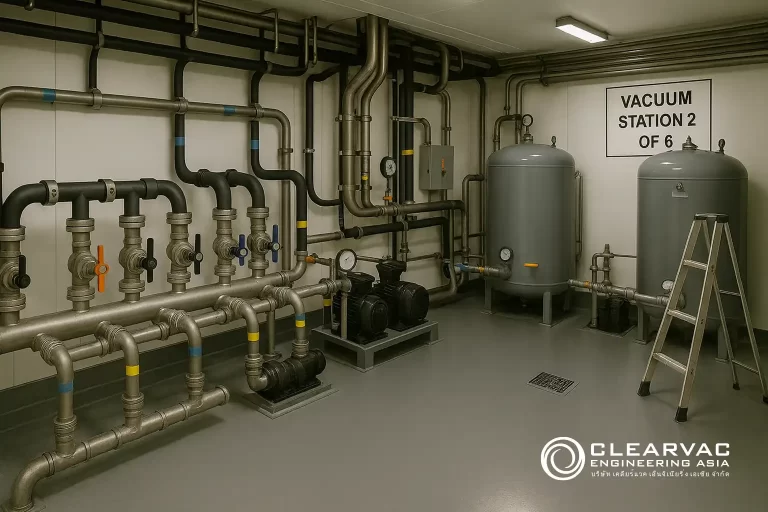
The black pipe system is the sewage network. It runs from vacuum toilets, down the stacks, and into the ship’s collection and treatment units.
In wider
ship sanitation guidance, sewage and greywater are treated as liquid waste streams that require controlled storage and safe disposal.
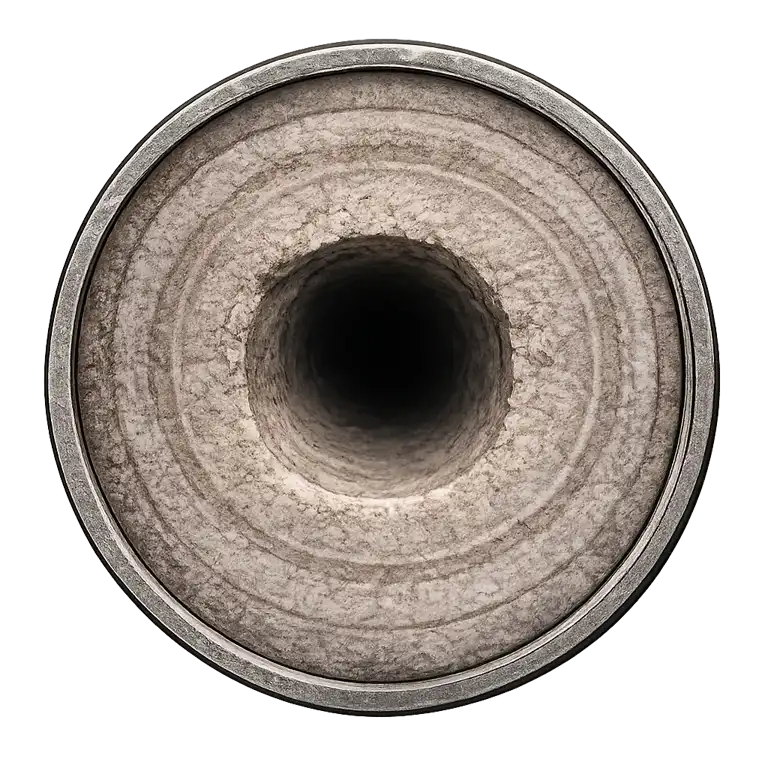
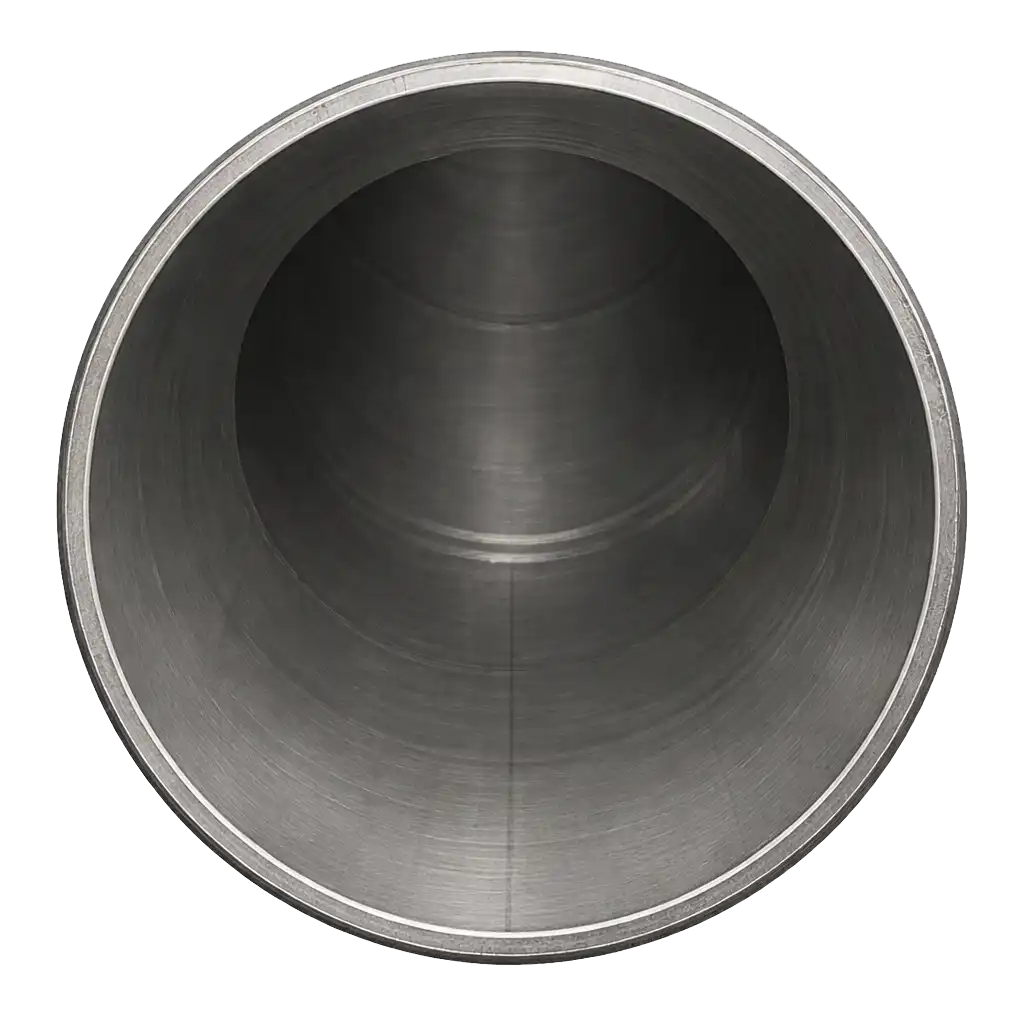
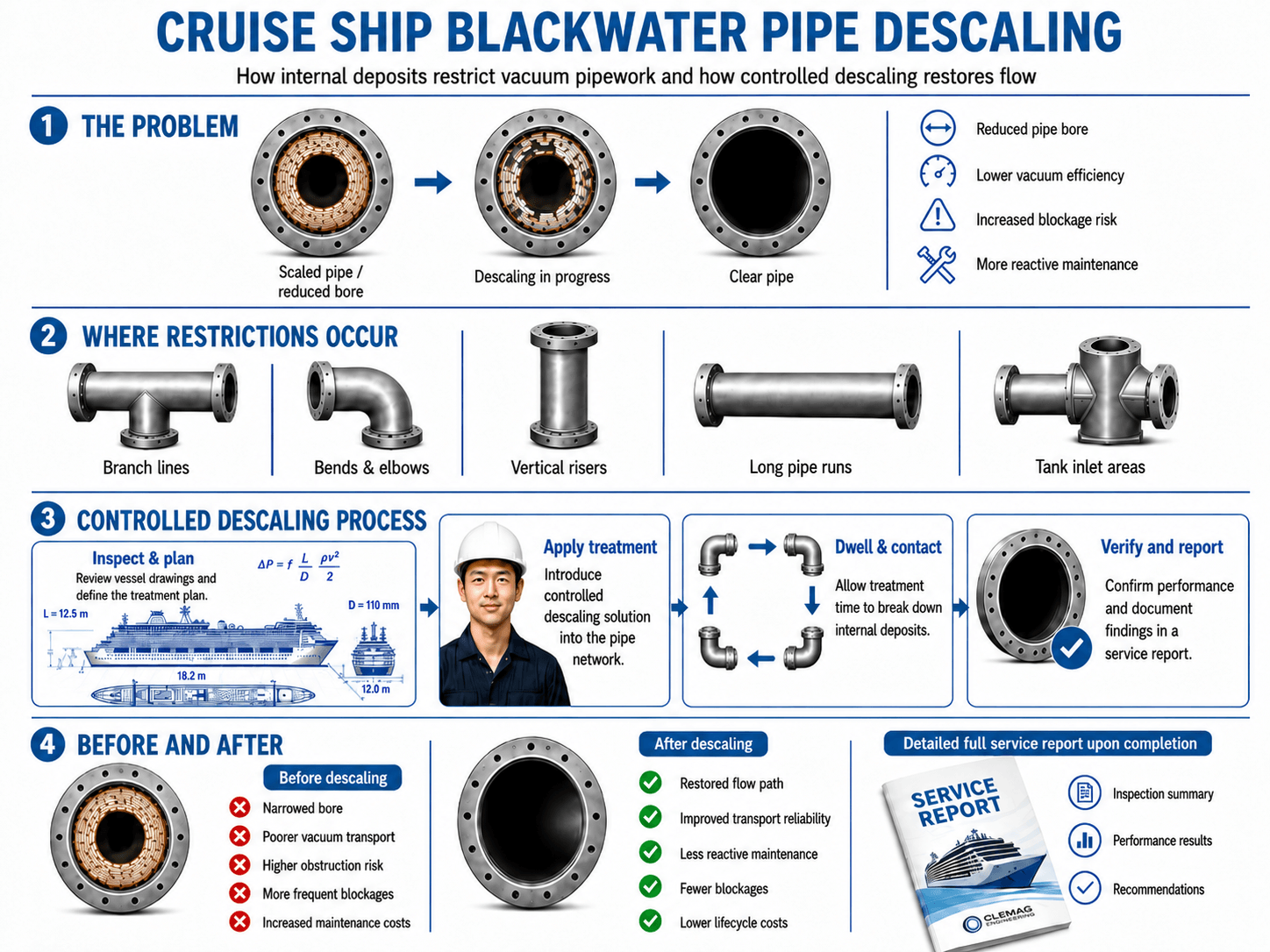
Over time, waste and minerals accumulate and form hard deposits on pipe walls. That constricts bore and impairs system performance. In vacuum sanitary systems, this restriction reduces vacuum capacity and can trigger blockages.
How We Descale Cruise Ship Plumbing
Our process is chemical and proprietary. It dissolves the build-up without requiring the dismantling of pipework. Toilets remain in use during treatment. Pipe descaling during normal cruise operation is common. All chemicals used are compatible with common pipe materials found in marine vacuum systems, such as PVC, HDPE, and stainless steel, and we always follow OEM guidelines to secure system safety and material integrity.
Waste returns to the ship’s sewage tanks and treatment system. Discharge follows
MARPOL Annex IV and any local rules.
For PPE, we use gloves, masks and eye protection as a baseline and follow product SDS and ship HSE rules for any extras.
Why inline dosing isn’t enough
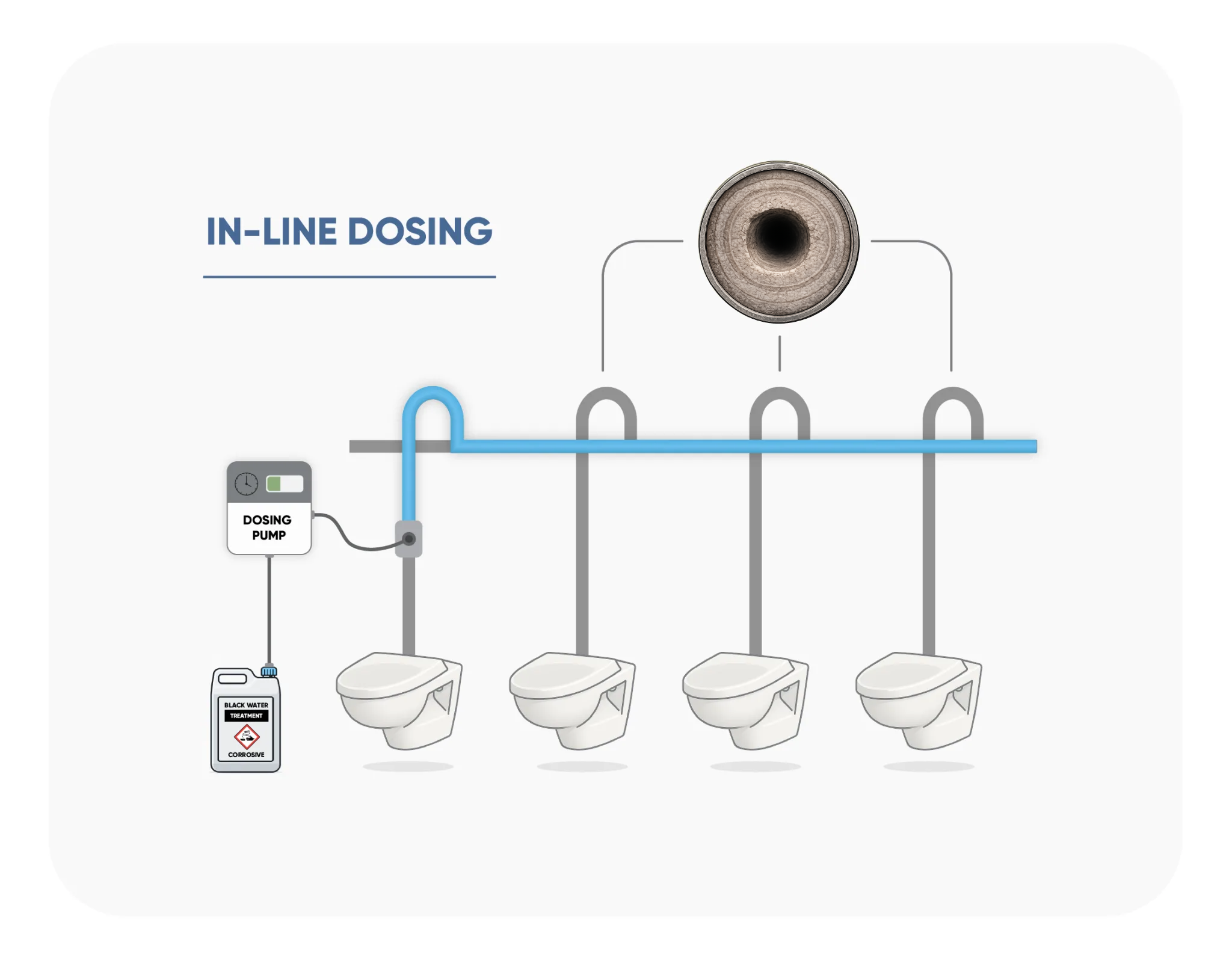
Inline dosing supports fixture hygiene, although it does not reach all pipework. Large vacuum networks have long horizontal runs, bends and risers where flow is low. These areas need controlled, system-wide treatment to fully clear deposits.
What typically limits dosing at sea:
- Limited reach. Pumped systems regularly clean only small areas of piping; widespread coverage is not achieved.
- Ongoing upkeep. Dosing hardware and spares add maintenance and cost over time.
- Established deposits. Heavy, layered scale is not predictably removed by light, continuous dosing.
- Risk with harsh methods. Aggressive acid approaches can dislodge large sheets or lumps that lodge downstream.
Why Controlled Chemical Cleaning Works Better Than Mechanical Clearing
Pressure cleaning can damage vacuum systems, leading to leaks and seal failures. Service vendors caution against pressure-cleaning vacuum piping, and OEM manuals require vacuum-tight assemblies and chemical compatibility.
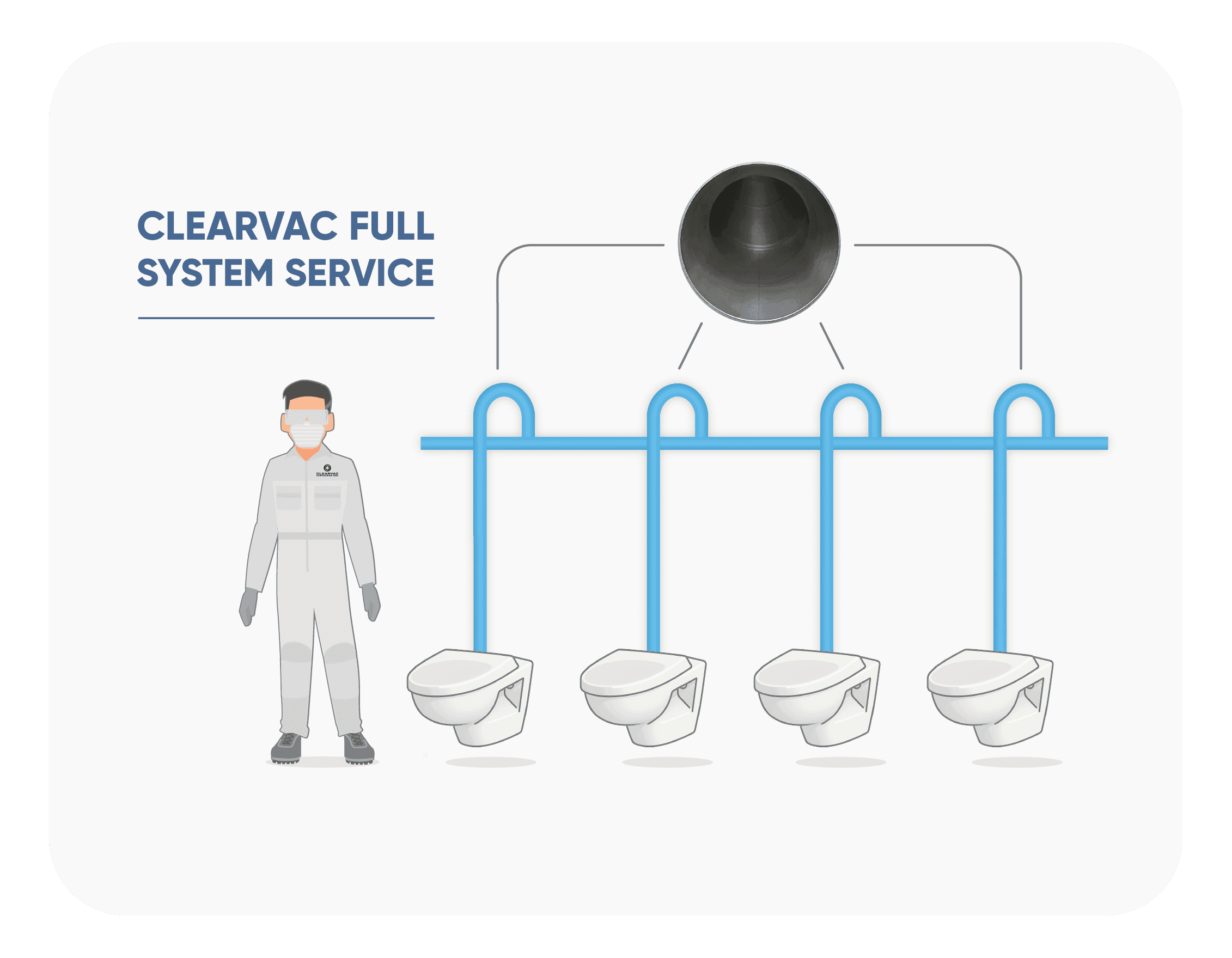
A controlled chemical process is slower but safer. We use managed circulation under vacuum to reach bends and vertical runs across the network, achieving full internal contact without the risks of pressure cleaning or the limits of in-line dosing.
What “mechanical” usually means
- Pressure flushing or hydro-jetting. Forces water through the line, scouring deposits. Vacuum sanitary pipes are thin-wall with gasketed or sleeve joints designed to hold vacuum, not high positive pressure. Over-pressure can open joints, damage seals, or push scale fragments into valves and sensors.
- Rodding or brushing. Works in short, straight gravity drains. Marine vacuum networks have multiple bends, tees and diameter changes. Tools can snag seals and are impractical over long runs.
- Pigging. Effective in straight process lines that have launchers, receivers, and full-bore valves. Cruise ship sanitary systems are small-bore vacuum networks with valves and fittings that prevent pig passage, so ‘pigging’ is not an option.
Why mechanical methods fall short on cruise sanitary networks
- Coverage. You cannot consistently reach long horizontals, risers, and dead legs without extensive access and isolation.
- Joint limits. Many connections are rated for vacuum and low over-pressure. Introducing pressure risks leaks in hidden spaces.
- Debris control. Aggressive action can dislodge large flakes or sheets that travel downstream and clog valves, strainers and plant.
- Disruption. Mechanical access often requires dismantling finishes or isolating stacks, which impacts guests and operations.
The risks of neglect
When black pipes are ignored, you see the following:
- Odours in passenger areas.
- Toilets that fail to flush, sometimes across multiple cabins on a stack.
- Leaks into service spaces.
- Floods that interrupt operations.
Blackwater maintenance also falls within the broader issue of cruise ship discharges, where sewage, greywater, and other waste streams are closely monitored.
Emergency work is expensive. Unscheduled repairs that force docking or take cabins out of service escalate quickly. Dry-dock projects commonly run into the millions, and cruise cost metrics per capacity day show downtime adds up fast. Preventive descaling is a fraction of that.
In-service Procedure for Vacuum Pipe Descaling:
Cruise operators engage us to restore the performance of vacuum piping while vessels remain in service. Triggers include reduced flow, isolated toilet outages, or early signs of restriction. Key early warning signs that descaling is needed include slow-flushing toilets, recurring unpleasant odours in passenger or crew areas, frequent vacuum alarms, gurgling noises after flushes, or repeated blockages affecting the same locations. By identifying and handling these symptoms early, engineers can prevent issues from impacting operations. Our work runs quietly in the background, with no impact on guest movement or daily operations.
We work zone by zone across risers and cabin stacks. Strategic access points confirm progress and maintain control. Lines are treated under vacuum, so the system remains live, and toilets remain available throughout. Treatment chemistry flows into the vessel’s waste tanks, with discharge coordinated with the crew.
As deposits break down and clear, vacuum stability improves, and toilets return to normal operation. Treated zones stabilise and remain serviceable, without interrupting service or guest access.
Global Mobilisation for Cruise Ships in Service and in Dry Dock
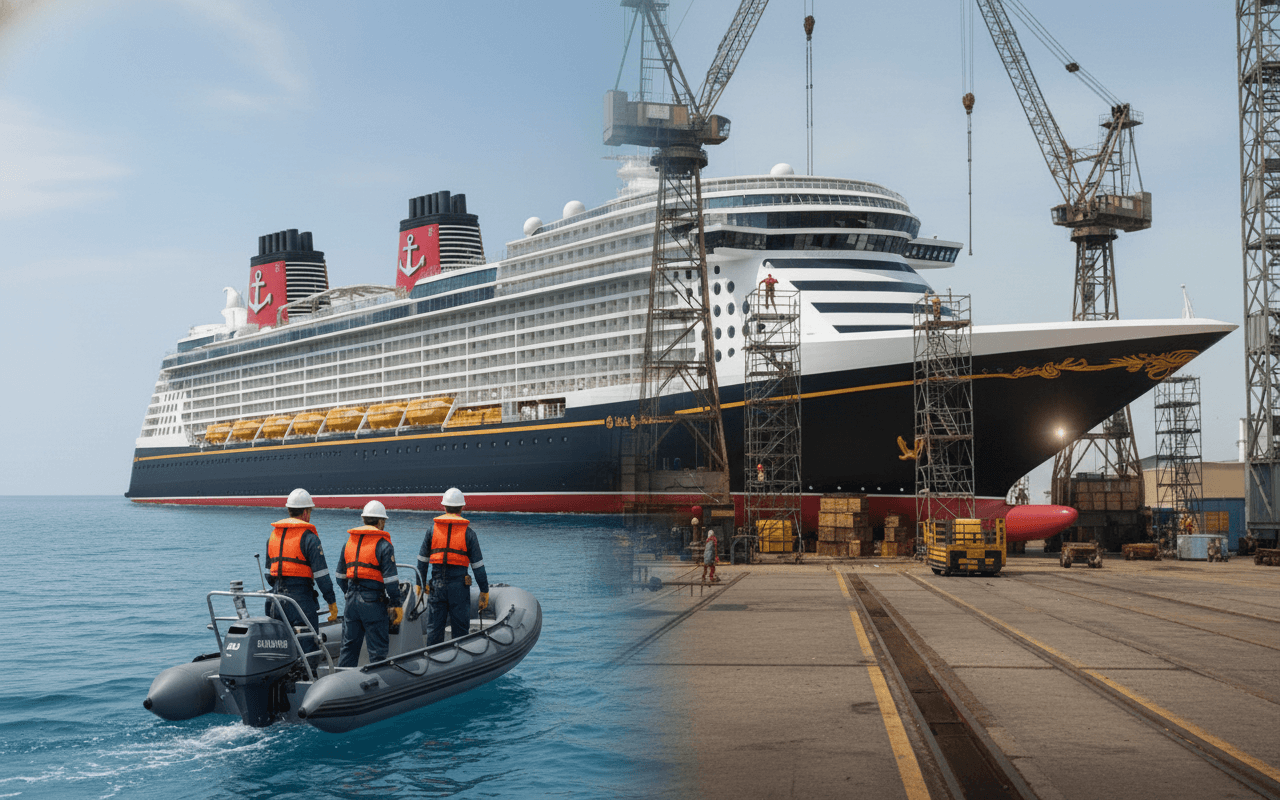
Because cruise ships operate worldwide, performance issues in vacuum piping do not wait for a home-port return. Clearvac teams can mobilise globally, supporting vessels while at sea or in dry dock. Attendance is planned around the vessel’s itinerary, port access, and refit schedule, assuring the work fits into existing operations without disrupting service.
At sea, work proceeds within agreed zones so that accommodation, guest areas, and service spaces stay available. This approach restores vacuum stability and clears restrictions without waiting for the next docking period.
In dry dock, descaling becomes part of the vessel’s maintenance or refit plan. Yard access allows faster inspection of key lines, coordinated isolations and efficient movement between decks. Multiple stacks and horizontal runs can be opened, assessed and treated in short succession, giving a complete view of the system’s condition.
Global mobilisation ensures the same process, documentation and technical consistency wherever the vessel is operating.
We ensure cruise lines sustain stable sanitary performance along long deployments. Clearvac is a leader of predictable, specialist response in any region.
Reporting, proof and the bottom line
Good reporting turns a service into a controlled maintenance programme. We record what was treated, where, and how it performed, and we link it to the vessel’s layout and access points. Treatment runs with the system in use, and we remove scale gradually to prevent large fragments from causing issues downstream.
- Vessel and context: vessel identity, port–port window, attendance dates, and who was present from the ship and contractor.
- System and scope: collection plants, pumps and treatment units; material types; and how the network divides into lines, deck, frame, and location references.
- Baseline condition: opened sections at strategic points, photographed restrictions, and line-by-line notes.
- Verification: repeat openings at agreed points, before and after photo evidence, and a completion schedule for the lines treated.
- A formal service report with attendance, liaison, method, and conclusions.
- A schedule showing each line inspected and treated, with location references and before-and-after photos.
- Clear recommendations on follow-up inspections and when to initiate the next programme.
- No dismantling of the pipe network is required. We use agreed inspection points to monitor progress.
- This programme approach negates the need for daily dosing and its ongoing maintenance. Use periodic inspections, annual or bi-annual, to decide when to run the next full programme.